
Brand Identity vs Web Design: What Comes First?
Most businesses build their website before their brand identity is properly defined, then wonder why the site feels generic. This article explains why brand comes first, what "brand identity" actually means in practice, and how to sequence the two when budget and time are both limited. Practical, direct, and based on real project experience.
The answer is brand identity. It comes first. Almost without exception.
That's the short version. The longer version explains why the order matters, what happens when you get it wrong, and how to handle the reality that most early-stage businesses don't have the budget to do both properly before they need to launch.
Visuweb does both branding and web design. We've run projects in every sequence imaginable. The ones that produce stronger results for potential clients, drive more sales, and deliver the best return, are consistently the ones where the brand identity is built on a strong foundation before the website is designed.
What "Brand Identity" Actually Means
Brand identity is not a logo. Reducing the whole system to a single mark is the most common misunderstanding, and it leads directly to the wrong sequencing decision.
Brand identity is the full set of decisions that determine how a business presents itself visually and verbally: the name, the logo, the color palette, the typography system, the visual elements (photography style, illustration style, iconography), and the tone of voice. It also includes the strategic layer: the positioning, the target audience definition, and the differentiating idea that separates the brand from competitors.
The logo is one visible output of this process. It's the most recognizable element, which is why people conflate it with the whole. But a mark without the surrounding system is like a headline without a page: it exists, but it doesn't do much.
A cohesive visual identity system gives a web designer everything they need to make decisions: which colors carry which meaning, which typefaces communicate which personality, how photography should feel, what kind of white space and density matches the brand's energy. Without this, the web designer makes these decisions themselves, often inconsistently, and often in ways that don't reflect the company's actual strategy.
What Happens When You Build the Website First
Most startups build the website first because they need to launch, and launching feels more urgent than branding. This is understandable. It's also the reason so many startup websites fail to make a strong first impression on potential customers. A new website built without brand direction can attract visitors while communicating nothing distinctive.
Here's what actually happens when a website is built before the brand strategy is in place:
The designer makes branding decisions by default. Every choice that a strong brand identity would have resolved, the web designer has to make without a brief. Color schemes, typography, design elements, visual language: these get chosen based on what's available, what looks current, or what the designer personally defaults to. The result is a site that looks like a template of the current moment rather than a coherent expression of a specific brand.
The site can't scale. When the system is later defined properly (and it usually is, once the business grows and the generic site becomes a liability), the website has to be rebuilt from scratch. Without brand elements and consistent messaging to guide new pages, every update requires rebuilding decisions from scratch. Ad hoc choices don't extend naturally to new pages, new channels, or new product lines.
Copy and design work against each other. Brand voice and visual identity are two sides of the same coin. A website built without a tone of voice and brand story produces copy that feels disconnected from the visual design, or vice versa. Clear messaging and a strong brand personality are what make written content feel intentional. Without them, the result is a site where everything is technically correct but nothing coheres.
Investor and partner credibility suffers. At the early stage, a website is a signal. Investors and customers looking at an early-stage company form an instinctive judgment about execution capability based on how the company's identity presents itself. Brand trust is built or lost in seconds. A site that looks unbranded gives competitors a competitive edge and signals that the team hasn't thought carefully about positioning. It's not a fair judgment, but it's a real one.
What Brand Identity Work Actually Involves
Understanding the sequence requires understanding what brand identity work actually involves, because "we'll get to branding later" often means "we don't know what that involves." For customers creating a new business presence, the other elements of brand work, like strategy and messaging, are often invisible until they're missing.
Brand identity work has two phases: strategy and execution. This distinction is one of the key reasons so many brands end up with output that looks fine but doesn't work commercially. Clear guidelines and a coherent strategy are the important factor that separates brand work that generates real business results from work that simply produces assets.
Strategy is the foundation. It defines the positioning (who you're for, what you do, and why you do it differently), the personality (how the brand should feel to interact with), and the differentiating idea (the thing you want to own in the minds of your audience). This phase builds the buyer persona, establishes brand values, and shapes the marketing strategy that all downstream work executes against. The brand image that emerges from this work is what makes the brand recognizable and distinct in a crowded market.
Execution translates the strategy into visual and verbal assets: the logo and its variants, the color system, the typography hierarchy, the visual guidelines, the tone of voice document. The output is a set of brand guidelines that any designer, copywriter, or agency can use to produce consistent brand identity work, whether for the website, social media, or printed materials.
The strategy phase is where most shortcuts happen and where most damage occurs. A logo without a strategy is decoration. A color palette without positioning rationale is pure aesthetics. Effective branding requires a strong brand foundation: overall brand direction without strategic grounding looks fine on the surface and communicates nothing to the people who matter most.
When Budget and Time Are the Constraint
The honest answer for resource-constrained startups is: build a strong brand foundation before the website, even if it's minimal, rather than investing in a full website with no brand direction. Getting the website branding right at launch is significantly easier than retrofitting brand thinking into a live site.
The key steps in a minimal but complete brand package are: a defined positioning (one sentence you can defend), a logo with primary and secondary variants, a two-color palette, a typography pairing (one heading font, one body font), core brand values, and a one-page tone of voice reference. Maintaining consistency from this foundation takes two to four weeks with the right partner and costs a fraction of a full engagement.
This is enough to brief a web designer properly. The web designer can then make informed decisions about layout, hierarchy, and visual detail with a real system to work from. The result is a strong brand identity expressed on the web: a site that feels coherent, is capable of generating leads, and reflects deliberate decisions rather than defaults. A successful brand identity, even minimal, will always outperform a better-designed site built without one.
The company's brand identity at full depth, including comprehensive visual guidelines, brand applications, and extended visual language, can be developed in parallel with or after the first website version. What matters is that the emotional connection with the audience is established from the start, not polished to perfection before anything goes live.
The Sequence That Actually Works
Based on working across projects at different stages, creating brand identity before web design consistently produces the best outcomes for customers. Here are the key elements of that sequence:
Phase 1: Brand strategy (2 to 4 weeks) Define positioning, target audience, brand personality, and differentiating idea. Map out what the brand wants to occupy in the customer's mind and shape the marketing strategy that all downstream work will execute against. Output: a strategy document that all subsequent creative work references.
Phase 2: Core brand identity (3 to 5 weeks) Logo, color palette, typography system, basic visual guidelines, brand story. Output: a brand guide ready to brief design work, covering the visual elements needed to achieve visual consistency across every touchpoint.
Phase 3: Website design and development (4 to 8 weeks) Homepage, core service pages, about, contact. Designed against the brand guide with consistent messaging throughout. Output: a live site where all visual elements reflect the brand and the copy speaks directly to target customers.
Phase 4: Extended brand and content (ongoing) Photography style, illustration system, social templates, presentation templates, and other elements of visual communication. Design elements like motion guidelines and icon systems are developed as the business needs them, using the core system as a foundation.
This sequence means the website isn't live until eight to twelve weeks after the project starts. For some businesses, that's acceptable. For others, it isn't.
When speed to launch is the priority, compress Phase 1 and 2 as described above: a minimal-but-complete brand identity in two to three weeks, then a focused website build. Don't skip Phase 1 entirely. A positioned, intentional brand built quickly will always outperform a beautifully designed site built without a brief.
How Brand Identity and Web Design Inform Each Other
The relationship between branding and web design isn't purely sequential. It's iterative. Good website branding means the web designer will encounter decisions the brand guide didn't anticipate. How does the color palette look on dark backgrounds? How does the typography hierarchy behave on mobile? What does the visual language look like in motion? A strong brand identity provides the principles; web design stress-tests them.
These questions feed back into the overall brand direction. The first website often reveals gaps or ambiguities in the brand guide that the identity designer didn't anticipate. The company's identity evolves through this process, and the messaging that the site carries becomes sharper as a result.
This is normal and healthy. It means the brand designer and web designer need to work closely together, not in strict sequence. The branding process should run far enough ahead of the website to provide a real brief, but creating something cohesive requires both disciplines to overlap and develop together in the middle of a project, not hand off and walk away.
At Visuweb, our branding service and Webflow design and development are run as connected phases precisely because the handoff model produces worse outcomes for customers than the collaborative model. For businesses developing a new website alongside their brand, this process keeps both disciplines aligned from audience research through to launch.
The Signs That Brand Came After the Website
These are the symptoms we most often see when a website was built without brand strategy in place. If any of these describe your current site, it's a signal worth paying attention to:
Colors that feel incidental. The color schemes look reasonable but there's no rationale for why these colors represent this brand. A coherent visual identity means every color choice reinforces the brand image. Change one color here and nothing feels broken, because nothing was strategically connected in the first place.
Typography that doesn't extend. The heading font works on the homepage but looks wrong on a long-form blog post. The body font works at large sizes but becomes unreadable on mobile. These are signs that the typography wasn't chosen as part of a cohesive visual identity grounded in a strong brand foundation.
Copy that contradicts the design. The visual design feels calm and minimal but the copy uses exclamation marks and high-energy language. Or the copy is thoughtful and nuanced but the design is loud and fast. Creating consistent messaging across the full customer experience, from visual to verbal, requires both to come from the same brief and speak to the same audience.
The site looks like a competitor. Not a specific competitor, but the category. In a crowded market, a strong brand is what creates a competitive edge. When the visual language is the default vocabulary for the industry rather than a deliberate point of differentiation, nothing about the site signals why this company specifically is worth choosing.
Every new page is a struggle. Adding a new service page or blog post requires rebuilding decisions from scratch because there's no system to extend. Creating new pages, developing new content, and keeping visual elements consistent across the full site all become harder than they should be when the foundational elements were never established as a system.
For startups at the stage where this is becoming a real problem, our article on what makes a great startup website covers the design principles that distinguish high-performing sites from generic ones. Creating a site that drives more sales and converts more customers comes down to many elements, most of which require brand strategy and clear messaging in place first.
If you want a direct assessment of where your brand and site currently stand, reach out and we'll give you honest feedback.
FAQ
Should brand identity come before website design?
Yes, in almost every case. Brand identity provides the visual and verbal brief that web design executes against. Without brand direction, web designers make branding decisions by default, which produces sites that look generic rather than intentional. Effective branding and clear messaging are what separate a site that converts from one that just exists. The one exception is when speed to market is critical: in that case, do a minimal but complete brand identity (positioning, palette, typography) before starting the website, rather than skipping it entirely.
What is the difference between brand identity and web design?
Brand identity is the strategic and visual system that defines how a business presents itself: positioning, colors, typography, visual language, and tone of voice. Web design applies that system to a specific digital context: layout, hierarchy, interaction, and content structure. A huge part of the work is translation: the company's positioning, expressed through brand strategy, becomes something a user can experience and navigate. Branding is the brief. Web design is one of its executions.
Can I build a website without a brand identity?
Technically yes, but the result will almost always feel generic. Without a brand brief, web designers make their own decisions about color, typography, and visual language. These decisions may be aesthetically competent but they won't be strategically grounded. The new website will look like the current design moment rather than a consistent brand identity. And when you later need to extend that look to social media, presentations, or new pages, there's nothing to extend from.
How long does brand identity take before I can start my website?
A minimal but complete brand package, sufficient to brief a web designer, takes two to four weeks. This includes positioning, logo design, color palette, and typography selection. A full brand identity process, with comprehensive visual guidelines, photography direction, and extended brand applications, takes eight to twelve weeks. The right choice depends on the stage of the business and the audience it needs to reach and convert into customers.
What should brand brand guidelines include before web design starts?
At minimum: a logo with primary and secondary variants, a defined color palette, a typography pairing for headings and body text, brand values, and a one-page tone of voice reference. Brand guidelines don't need to be 80 pages to be useful. This is enough for a web designer to make coherent, on-brand decisions throughout the build, from visual choices to the written content that carries the brand's voice.
How much does brand identity design cost?
A minimal brand package for an early-stage startup typically costs between $3,000 and $8,000 from an agency. A full brand identity with comprehensive brand guidelines and brand applications runs $10,000 to $30,000 depending on scope and agency. Freelance rates are lower but the strategic depth is often less. For a sense of combined branding and web design costs, our guide on how much a Webflow website costs covers the full project range.
What happens if I already built my website without a brand identity?
The most pragmatic path is to define the brand direction now and use it to rebuild or redesign the website in the next version. If the site is generating revenue and conversions, don't rush to rebuild. Use the brand identity work to inform incremental improvements while planning the full redesign. If the site is not performing, a brand-led redesign is likely the highest-leverage investment you can make.
Can the same agency do both branding and web design?
Yes, and there are real advantages to having the same team do both. The brand designer and web designer working in the same environment creates a tighter feedback loop, cleaner handoffs, and a more cohesive outcome for customers. When one team shares the same values and the same brief, the visual elements and copy naturally align. The risk with separate agencies is that the brand guide and website interpretation can diverge. At Visuweb, we run branding and web design as connected phases for exactly this reason.
Is a logo the same as a brand identity?
No. A logo is one output of the branding process. A successful brand identity includes a mark, color system, typography system, visual language, and tone of voice, all grounded in a strategic positioning. A single mark without the surrounding system is decoration. It can look good in isolation and still fail to communicate a coherent brand because there's no system for it to operate within.
When should a startup invest in full brand identity vs a minimal version?
A minimal brand package is appropriate when: you're pre-revenue or early stage, the positioning is still being tested, or speed to market is the priority. A full brand identity is appropriate when: you have product-market fit and are scaling acquisition, you're raising a meaningful funding round, you're entering a new market or category, or your current positioning is clearly holding back commercial credibility. A strong brand identity becomes the highest-leverage investment at that stage. Our For Startups page covers how we scope these decisions for early-stage companies specifically.
Work with Visuweb
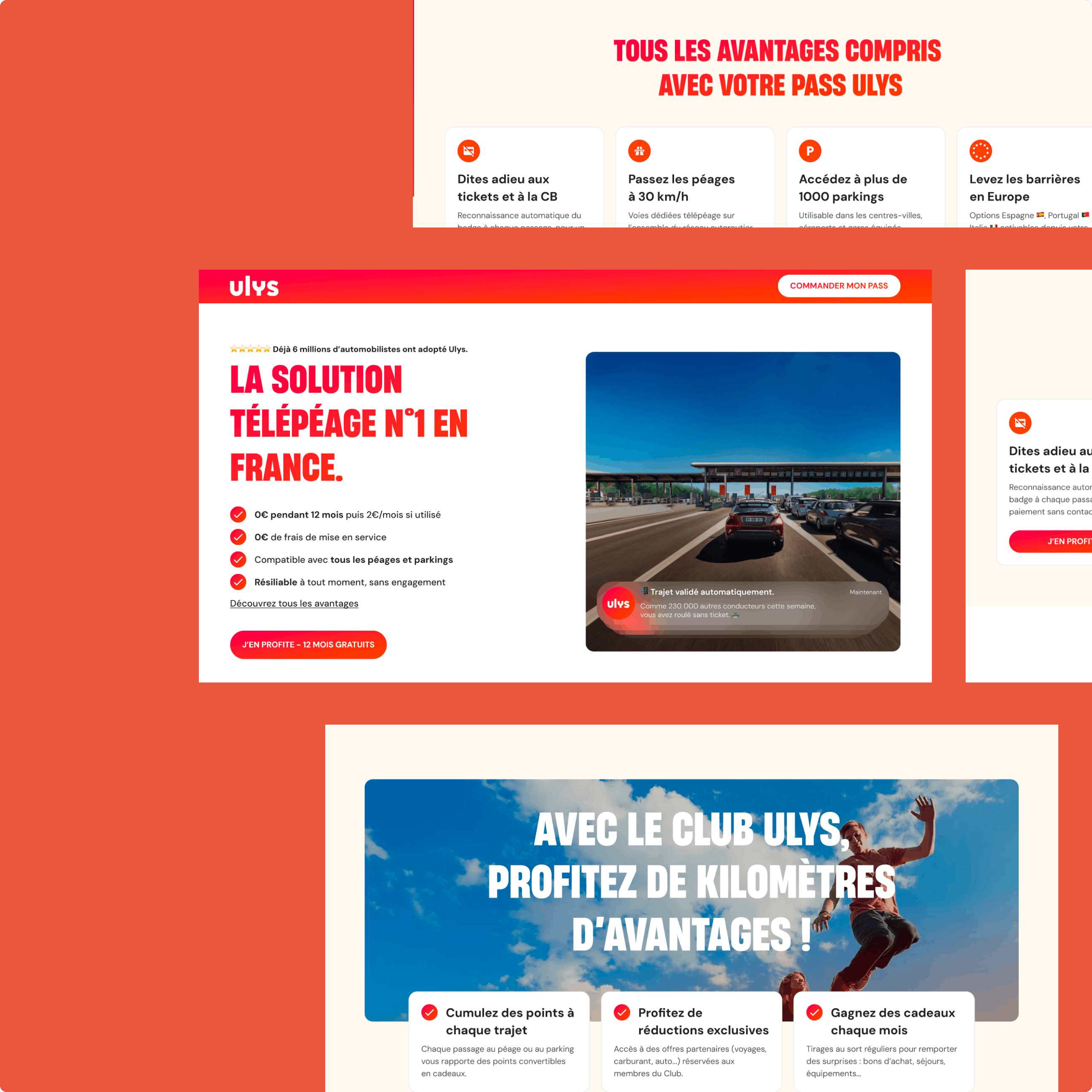
We help SMEs, startups, and agencies build brands people remember and websites that actually bring in business.



.avif)